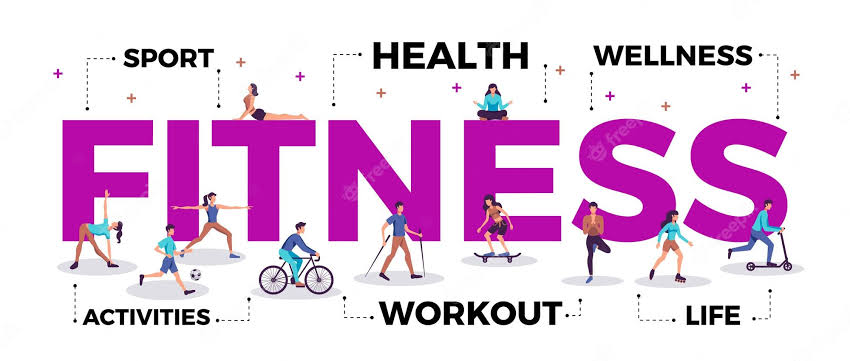
Exercise for health and well-being
A healthy lifestyle that promotes overall wellbeing and physical fitness must include exercise. Numerous advantages come from regular physical activity, such as better cardiovascular health, higher muscle strength and endurance, improved mental well-being, weight control, and a lower risk of developing chronic diseases. The following activity categories can improve your health and wellbeing:
Aerobic exercise :
Exercise that raises your heart rate and breathing rate is referred to as aerobic exercise or cardiovascular exercise. Running, cycling, swimming, dancing, and aerobics are a few examples. Aim for at least 150 minutes per week of aerobic activity at a moderate intensity or 75 minutes at a high intensity.
Strength traning:
Exercises that increase muscle strength and endurance are known as resistance or strength training. Using weights, resistance bands, and other your body weight to put your muscles to the test. Strength training exercises include weightlifting, lunges, squats, push-ups, and pull-ups. Two to three times a week, try to work out all the major muscle groups.
Exercises for Flexibility:
Stretching exercises increase flexibility, range of motion in the joints, and avoid muscular stiffness. Flexibility can be increased and relaxation can be encouraged by exercises like yoga, Pilates, and static stretching. Stretching activities should be incorporated into your routine at least two to three times each week.
Exercises for Balance and Stability:
As you get older, balance exercises help you stay stable and prevent falls. Your balance and coordination can be improved by participating in exercises like yoga, tai chi, and particular balance drills.
High-Intensity Interval Training (HIIT) is a type of exercise that comprises quick bursts of intensive exercise followed by rest intervals. It is atime-saving exercise that raises cardiovascular health and burns calories. Sprint intervals, burpees, jumping jacks, and high-intensity circuit training are a few examples.
Exercises with Low Impact:
If you have joint problems or like lower impact sports, think about swimming, water aerobics, cycling, or utilizing an elliptical machine. These exercises work your heart without placing too much strain on your joints.
The most crucial workout for the entire body is the Surya Namaskar:
The Surya Namaskar, sometimes referred to as the Sun Salutation, is a well-known flow of yoga asanas (postures) used to salute and revere the sun. It is a total-body workout that incorporates physical activity, deep breathing, and mindfulness.
Each of the 12 postures in the traditional Surya Namaskar sequence is performed in a continuous flow, with position that supports the one before it. The sequence can be practiced at any time of day, however it is typically done in the morning while facing the rising or early morning sun.
The Surya Namaskar sequence consists of 12 postures, which are broken down as follows:
Pranamasana :
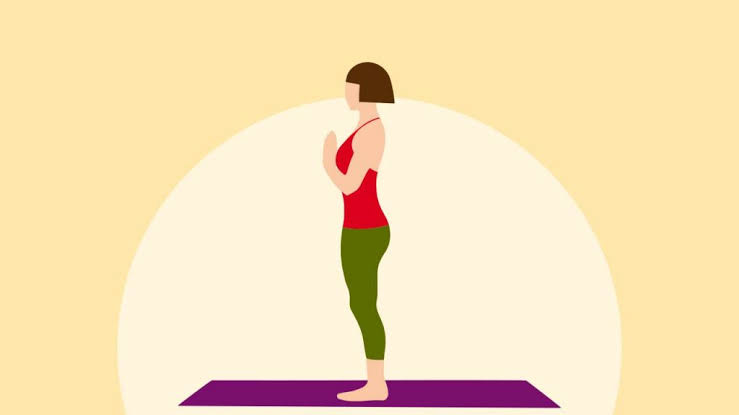
Standing in the front of your mat in the Pranamasana (Prayer Pose), put your palms together in front of your chest, and take a few breaths to center yourself.
Hastauttanasana :
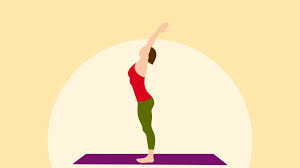
Take a deep breath in and strike the Hastauttanasana (Raised Arms Pose), softly arching your spine.
Hasta padasana :
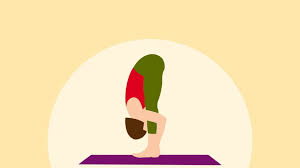
Exhale and bend forward from the waist while maintaining a straight spine in the Hasta Padasana (Hand to Foot Pose). Keep your legs straight and attempt to touch the floor with your hands.Inhale and step your right leg back into the lunge position of Ashwa Sanchalanasana (Equestrian Pose), keeping your left knee bent and your palms on the floor.
Dandasana :
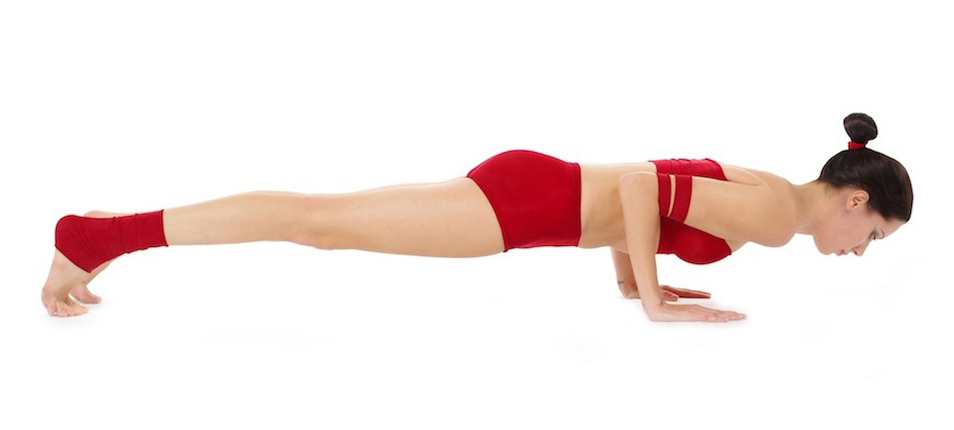
Exhale and step your left leg back into Dandasana (Stick Pose), keeping your body in a straight line.
Ashtanga Namaskara (Salute with Eight Limbs):
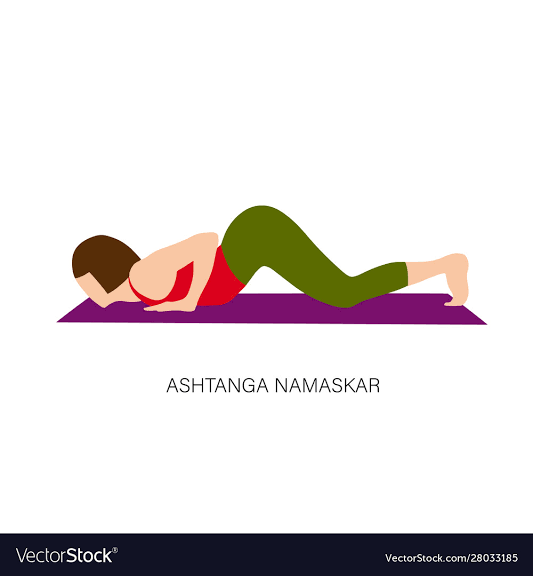
Keep your hips slightly lifted while lowering your knees, chest, and chin to the floor. Eight bodily parts should touch the ground: two hands, two feet, two knees, the chest, and the chin.
Bhujangasana (Cobra Pose):

Take a deep breath in and lift your chest off the mat while keeping your lower body and pelvis on the floor. Straighten your arms and arch your back while you do this.Equestrian Pose (Ashwa Sanchalanasana): Exhale and move your right leg back into a
Mukha svanasana :
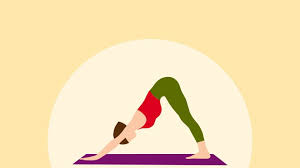
Exhale and lift your hips to enter Adho Mukha Svanasana (Downward-Facing Dog Pose), forming an inverted V. Extend your spine and press your heels into the ground.
Ashwa sanchalanasana :
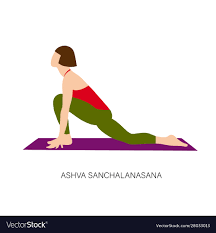
Return to the lunge position in Ashwa Sanchalanasana (Equestrian Pose) by inhaling and stepping your right foot forward between your hands.
Exhale and, leaning forward at the waist as in step 3, bring your left foot to meet your right foot in the hand-to-foot pose known as hasta padasana.
Inhale and strike the raised arms pose, or hastauttanasana, while arching your back.
Exhale and return to the beginning posture in the Pranamasana (Prayer Pose), bringing your palms together in front of your chest.
Numerous physical and psychological advantages of Surya Namaskar include better blood circulation, increased strength and stamina, lowered stress levels, and higher flexibility. Surya Namaskar should be performed with perfect technique and posture, and it is advised to get advice from a certified yoga instructor if you have any pre-existing medical concerns or injuries.
Benefits of Pranayama and Technique –
“pranayama” refers to the yoga technique of controlling breath. It is one of the fundamental elements of traditional yoga and entails controlling and adjusting the breath for a variety of physical and psychological advantages.
Anulom vilom :
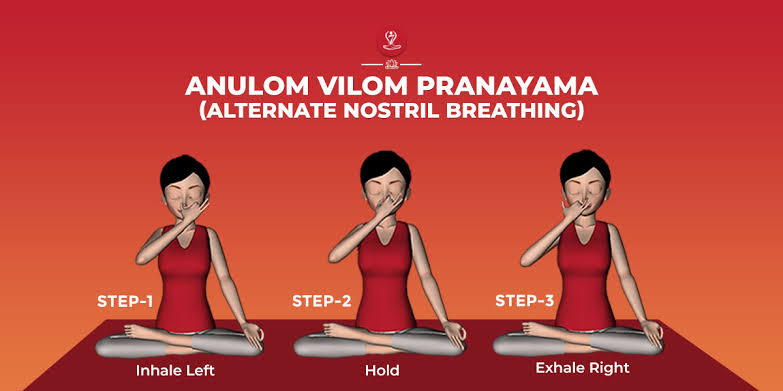
Alternate nostril breathing, or anulom vilom, entails breathing through the left and right nostrils alternately while blocking one nostril at a time with the fingers.
Ujjayi Pranayama:
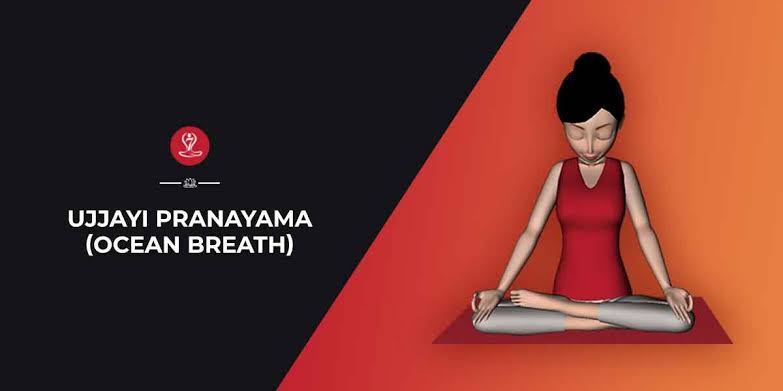
often known as “Victorious Breath,” is a breathing method that produces a mellow, oceanic sound by slightly restricting the breath at the back of the throat. It is known to encourage tranquility and focus and is frequently used during yoga asanas (postures).
Kapalabhati:
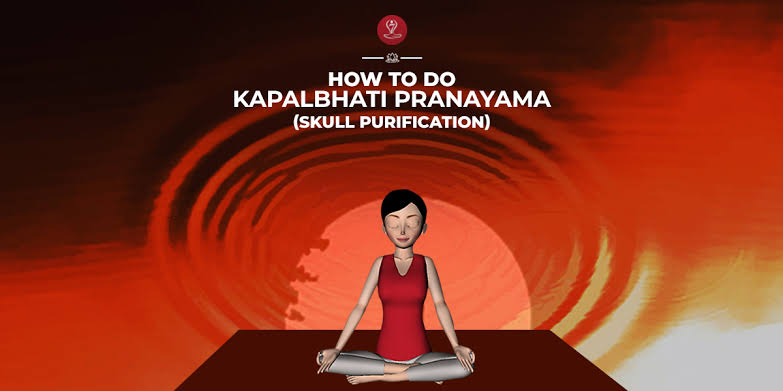
The “Skull Shining Breath,” or kapalabhati, is characterized by a quick, explosive expiration followed by a passive intake. It is thought to invigorate the body and purify the respiratory system.
Bhramari Pranayama (Bee Breath):
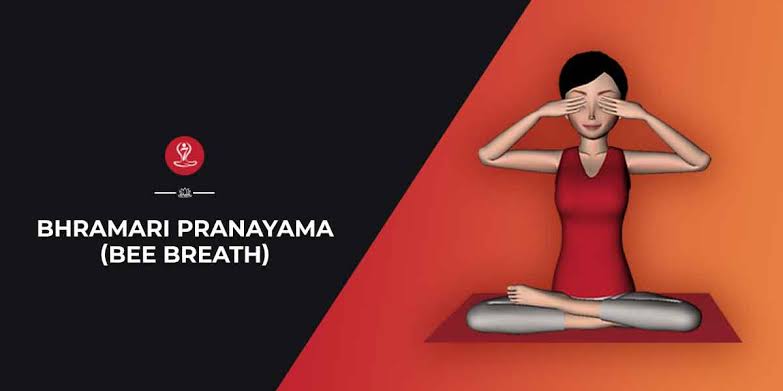
This breathing technique calls for a long, slow inhalation followed by an exhalation that causes the throat to hum. It is regarded as relaxing and can lessen anxiety.
Pranayama exercises have a variety of advantages, including:
lowering stress and anxiety while calming the mind.
enhancing mental clarity, attention, and concentration.
achieving autonomic nervous system balance.
improving respiratory and lung capacity.
Increasing vitality and energy.
encouraging relaxation and sound sleep by stimulating the parasympathetic nerve system.
detoxifying and cleansing the body.
strengthening the meditative state and developing self-awareness.
To ensure perfect technique and reduce any potential harm, pranayama methods should be learned and practiced under the supervision of a certified yoga teacher or instructor. The Surya Namaskar has several physical and psychological benefits, such as improved blood circulation, enhanced strength and stamina, reduced stress levels, and increased flexibility. It is recommended to conduct Surya Namaskar with excellent form and posture.
 𝐓𝐫𝐞𝐧𝐝𝐢𝐧𝐠 𝐁𝐥𝐨𝐠