Introduction
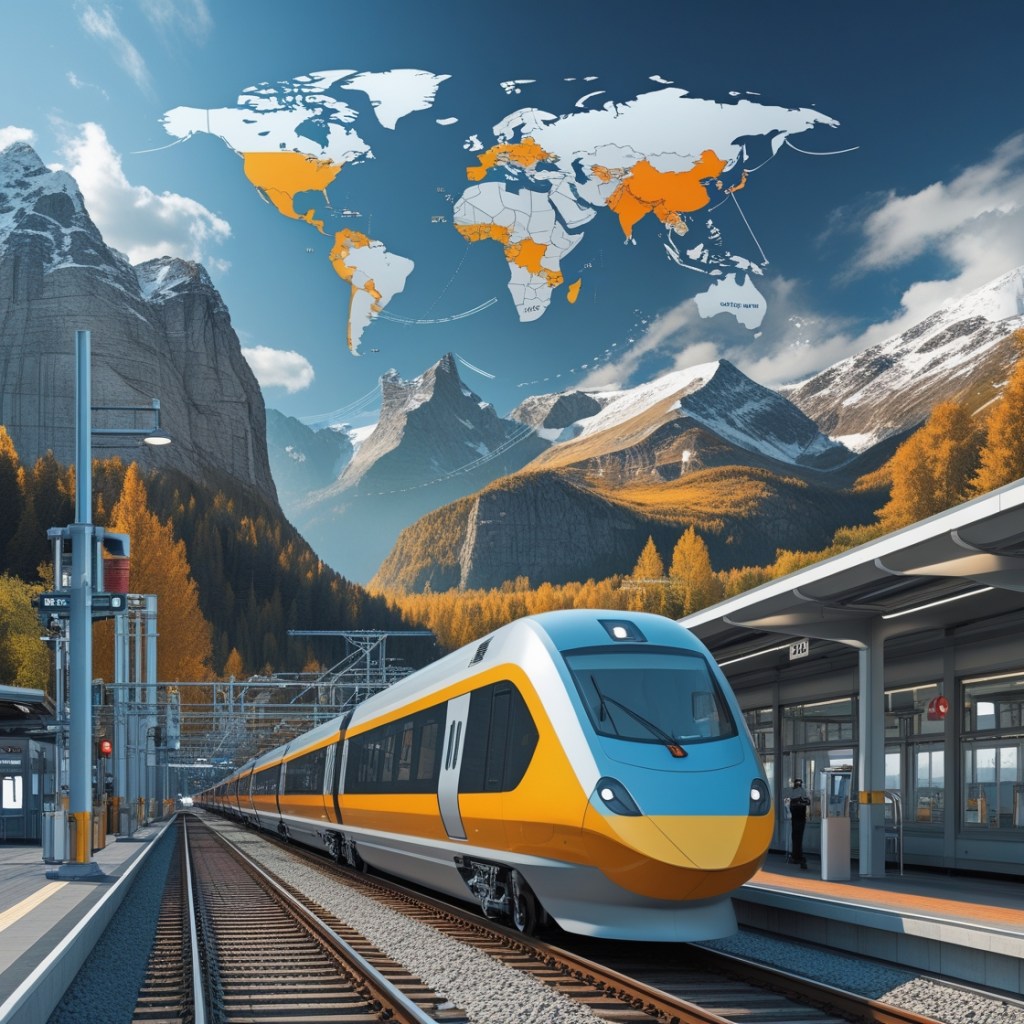
Imagine a world in which trains run entirely on hydrogen, the most plentiful element in the universe, providing quiet, comfortable riding without any pollution or smoke.
The hydrogen train is one way that the globe is moving toward more environmentally friendly energy sources. Hydrogen-powered trains are becoming more and more popular worldwide due to their efficient energy use and zero carbon emissions. Does that seem like science fiction? It’s actually happening at the moment.
Trains that run on hydrogen are revolutionizing environmentally friendly transportation. However, how do they operate, and why are they referred to as the rail travel of the future? Let’s get started!
What is a Hydrogen Train?
An environmentally beneficial substitute for conventional diesel-powered locomotives is a hydrogen train. Consider a hydrogen train to be a modified electric train that produces its own power!
These trains employ hydrogen fuel cells to produce electricity, which powers the electric motors, as an alternative to fossil fuels. Since this process only produces heat and water as byproducts, hydrogen trains are a really environmentally friendly option for the railroad sector.
The finest aspect? They just release the vapor of water. That translates to efficient and clean travel with no damaging carbon emissions.
How Do Hydrogen Trains Work?
The idea behind hydrogen trains is renewable energy. This is a condensed explanation of how they operate:
- Hydrogen Fuel Storage: The train’s high-pressure tanks hold hydrogen.
- Electricity Generation: In a fuel cell, hydrogen and oxygen undergo an electrochemical process to produce electricity
- Battery Support: Onboard batteries help maximize performance during acceleration or periods of high power demand by storing excess energy.
- Motion & Efficiency:The train’s motors are powered by the electricity produced, allowing for efficient and smooth motion.
Advantages of Hydrogen Trains
- Zero Emissions 🌿 – Bid farewell to diesel emissions! Hydrogen trains are a clean substitute because they only emit water vapor.
- Sustainable Energy Source 🔋 – By producing hydrogen from renewable resources, we can lessen our dependency on fossil fuels.
- Lower Noise Pollution 🤫: Compared to diesel locomotives, hydrogen trains are significantly quieter, which enhances passenger comfort and lessens noise pollution in cities.
- Longer Travel Distance 🚆 – Hydrogen trains don’t need to be recharged as often as battery-powered trains.
- Need for Electrified Tracks 🚋 – Since they utilize already-existing railroads, costly electrification projects are not required.
Where in the World Are Hydrogen Trains Running?
As part of their green energy transition, a number of nations are adopting hydrogen-powered trains:
- Germany: The Coradia iLint, the first hydrogen train in history, was first used in Germany, establishing a standard for rail transportation in the future.
- France: By 2035, plans are in place to phase out diesel engines by introducing hydrogen trains.
- United Kingdom: To build a sustainable railway network, hydrogen-powered train trials are underway.
- China and Japan: To modernize their transportation systems, both nations are making significant investments in hydrogen train technology.
Government initiatives and investments.
The Indian government is actively promoting hydrogen-powered trains through several key initiatives:
1. Hydrogen for Heritage Project
The “Hydrogen for Heritage” initiative, started by Indian Railways, intends to install 35 hydrogen-powered trains on a variety of hill and heritage routes. The expected cost of each train is ₹80 crores, with an extra ₹70 crores for ground infrastructure on each route. For this project, the government has allocated ₹2,800 crores for the trains and ₹600 crores for the infrastructure.
2. Pilot Project on Jind–Sonipat Route
Indian Railways is integrating hydrogen fuel cells into a Diesel Electric Multiple Unit (DEMU) as part of the pilot phase. By March 2025, it is anticipated that this modified train will start testing on the Jind–Sonipat segment in Haryana.
3.National Green Hydrogen Mission
This initiative seeks to hasten the use of green hydrogen as a renewable energy source in a number of industries, including transportation. The successful deployment of hydrogen-powered trains depends on the creation of supply chains for effective hydrogen generation, storage, and distribution.
These programs demonstrate India’s dedication to environmentally friendly transportation and lowering carbon emissions in the railroad industry.
Electric trains vs. Hydrogen trains or Green energy in transportation.
- Urban & High-Traffic Routes → Electric Trains (more efficient, proven tech)
- Remote & Low-Traffic Routes → Hydrogen Trains (cost-effective alternative to full electrification)
Are hydrogen trains better than electric trains?
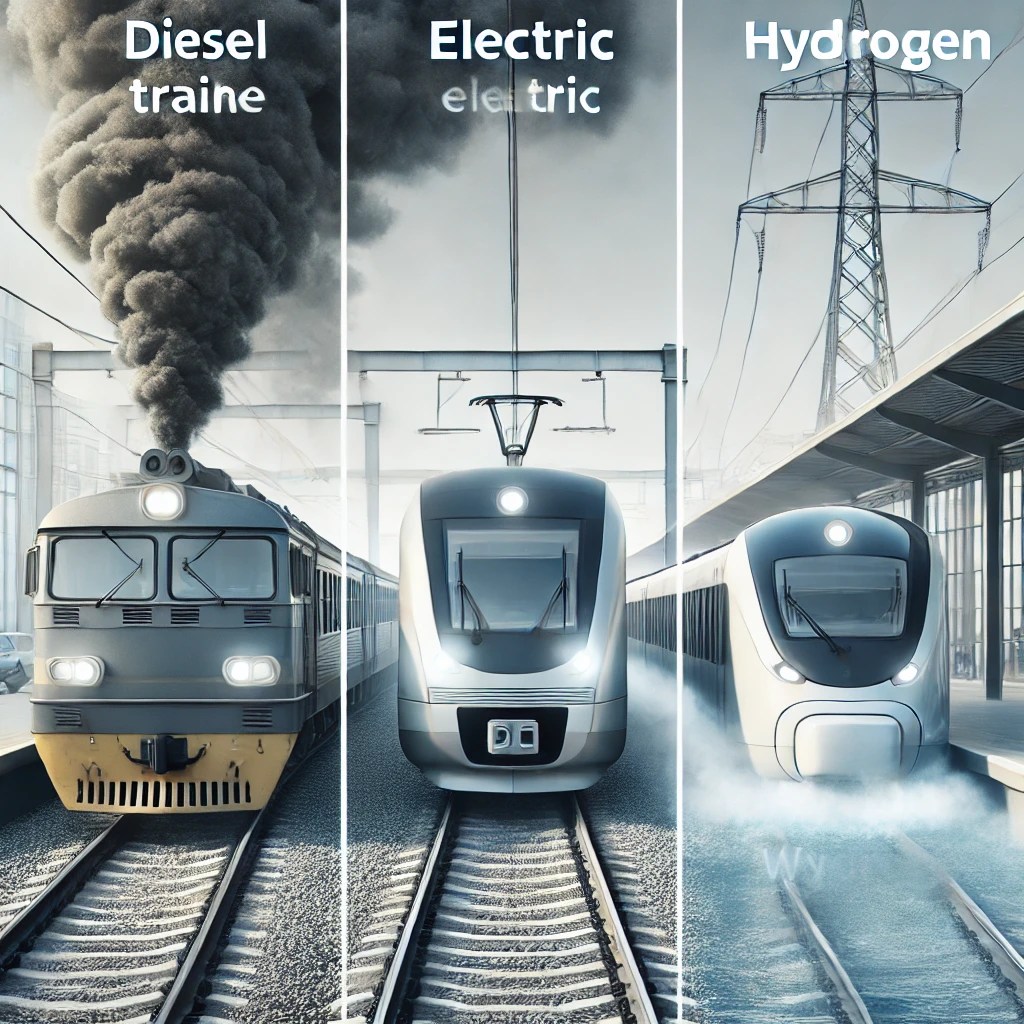
– Zero Emissions & Sustainable Energy 🌱 vs. Fossil Fuels & Pollution 🌫️”
Both contribute to the decarbonization of transportation, but when infrastructure is available, electric trains predominate, while hydrogen trains are becoming a more environmentally friendly substitute for diesel routes. 🚆🌱
Two important participants in the shift to green energy in transportation are electric and hydrogen trains. A comparison of the two technologies is provided below:
Electric Trains
✅ Efficiency: Extremely efficient, utilizing around 95% of the energy from the grid to the wheels.
✅ Infrastructure: Needs third rails or overhead wires, which makes it perfect for routes with heavy traffic.
✅ Emissions: Depending on the energy source (fossil fuels or renewables), there are no emissions at the moment of use.
✅ Speed and Performance: Because of a steady power source, they are typically faster and more dependable.
❌ Challenges: Expensive infrastructure that isn’t practical for isolated, low-traffic locations.
Hydrogen Trains
✅ Flexibility: They are excellent for non-electrified routes since they can function without overhead wires.
✅ Emissions: If hydrogen is generated from sustainable resources, it only releases water vapor.
✅ Energy Storage: Compared to batteries, hydrogen fuel cells provide a larger energy storage capacity, which increases range.
❌ Efficiency: Because of energy conversion losses, efficiency is lower (30–40%) than that of electric trains.
❌ Infrastructure & Cost: Hydrogen production, storage, and refueling infrastructure are expensive and still developing.
Challenges & Future Prospects
Although the future of hydrogen trains appears bright, there are a few obstacles to be addressed:
High Initial Costs:It is costly to build the infrastructure needed for hydrogen production, storage, and refueling.
Hydrogen Production Methods:At the moment, a large portion of hydrogen is produced using fossil fuels, which lessens the benefits to the environment. The secret to a really sustainable future is green hydrogen production.
Efficiency Concerns:The poorer energy efficiency of hydrogen fuel cells in comparison to direct electrification may prevent their widespread use.
However, hydrogen trains are anticipated to be a key component of sustainable transportation due to ongoing improvements in green hydrogen production and falling fuel cell technology costs.
Conclusion
In the pursuit of greener and more sustainable public transportation, hydrogen trains mark a significant advancement. As more nations invest in hydrogen-powered rail networks, the dream of zero-emission train travel is becoming a reality. With continued innovation and support, hydrogen trains could redefine the future of rail transport and contribute to a greener planet.
 𝐓𝐫𝐞𝐧𝐝𝐢𝐧𝐠 𝐁𝐥𝐨𝐠